Author

admin

Browsing

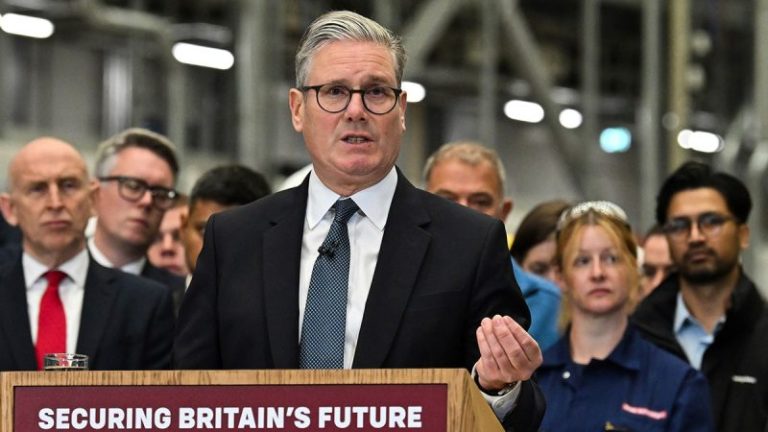
The United Kingdom will recognize a Palestinian state if Israel does not agree to a ceasefire and move toward peace in Gaza by September, U.K. Prime Minister Keir Starmer warned Tuesday.

Starmer made the announcement during a press conference on Tuesday, just a day after meeting with President Donald Trump in Scotland and discussing the Israel-Hamas war and the hunger crisis in Gaza.

‘I can confirm that the U.K. will recognize the State of Palestine by the United Nations General Assembly (UNGA) in September, unless the Israeli government take substantive steps to end the appalling situation in Gaza, agree to a ceasefire and commit to a long-term sustainable peace, reviving the prospect of a two-state solution,’ Starmer told reporters. ‘This includes allowing the U.N. to restart the supply of aid and making clear there will be no annexations in the West Bank.’

‘Meanwhile, our message to the terrorists of Hamas is unchanged and unequivocal. They must immediately release all the hostages. Sign up to a ceasefire, disarm and accept that they will play no part in the government of Gaza,’ he continued.

Trump declined to endorse Starmer’s move in a statement to reporters aboard Air Force One. He noted that both Starmer and French President Emmanuel Macron have now moved toward recognizing a Palestinian state.

‘Essentially, they’re saying the same thing and that’s okay. But you know it doesn’t mean I have to agree,’ Trump said.

Starmer said his government will make a final assessment ahead of the UNGA meeting to determine what steps both Israel and Hamas have taken and make a final decision on recognizing a Palestinian state.

The U.K. leader went on to say that the primary motive behind the announcement is to change the situation on the ground in Gaza as well as facilitate the release of more hostages.

Israel’s foreign ministry rejected Starmer’s announcement in a countering statement on Tuesday.

‘The shift in the British government’s position at this time, following the French move and internal political pressures, constitutes a reward for Hamas and harms efforts to achieve a ceasefire in Gaza and a framework for the release of hostages,’ the ministry said.

The U.K.’s announcement comes just one day after Starmer met with Trump in Turnberry, Scotland, where both leaders condemned the humanitarian and hunger crisis in Gaza.

Trump publicly broke with Israeli Prime Minister Benjamin Netanyahu during the meeting, saying he disagreed that the hunger crisis is a false narrative put forward by Hamas.

‘Based on television, I would say not particularly, because those children look very hungry,’ Trump said when asked if he agreed with Netanyahu’s claims. ‘That’s real starvation stuff.’

Trump has highlighted America’s efforts to secure aid for Gaza, noting some $60 million the U.S. spent on the issue in recent days.

‘We gave $60 million two weeks ago for food for Gaza, and nobody acknowledged it. Nobody talks about it. And it makes you feel a little bad when you do that,’ Trump said during a Sunday meeting with European Commission President Ursula von der Leyen. ‘And, you know, you have other countries not giving anything. None of the European countries, by the way, gave – I mean, nobody gave but us and nobody said, gee, thank you very much. And it would be nice to have at least a thank you.’

Israel has begun conducting aid drops across Gaza in recent days, bending to pressure after months of restricting the flow of aid. The IDF had long said Hamas was stealing much of the resources being sent into the region, a statement Trump and the U.S. have echoed.

This post appeared first on FOX NEWS

President Donald Trump addressed the ongoing hunger crisis in Gaza on Monday in Scotland, where he addressed the urgency of getting food into the enclave immediately, while doing it safely and securely. 

‘The United States recently, just a couple of weeks ago, we gave $60 million … No other nation gave money,’ as he urged other nations ‘to step up.’ 

$30 million in U.S. contributions to Gaza have been channeled through the U.S.- and Israeli-backed Gaza Humanitarian Foundation. 

Since the Gaza Humanitarian Foundation (GHF) began its operations on May 27, the organization has partnered with local Palestinian aid workers and non-governmental organizations to deliver 97 million meals to date to Gazans.

GHF spokesperson Chapin Fay told Fox News Digital that GHF ‘has one exclusive mission: to feed the people of Gaza in a way that prevents Hamas from being able to steal or loot or divert the aid.’ In addition to having ‘zero diversion,’ Fay said GHF has ‘put [aid] directly into the hands of the people who need it the most.’ 

What is GHF providing the local population? 

At its four distribution sites in Gaza, it provides boxes of aid sufficient to provide 2,400 daily calories for 5.5 people over a total of 3.5 days. GHF’s sites are able to distribute, on average, 2 million total meals per day.

Fay said GHF has also started a potato pilot program which has seen ‘hundreds of tons of potatoes’ delivered into Gaza.

Another new pilot program in association with local Gazan NGO Al-Amal has allowed GHF to deliver 2,000 boxes of food to families in Gaza. Fay said that GHF is in the process of scaling up the operation, vetting hundreds of inquiries received since the program’s announcement and working on establishing additional local NGO partnerships.

Attacks on GHF’s aid model

The U.N. has lambasted GHF’s distributions, with the United Nations Relief and Works Agency (UNRWA) Commissioner-General Philippe Lazzarini calling the organization an ‘abomination’ that ‘provides nothing but starvation and gunfire to the people of Gaza.’  

Though media headlines are thick with accusations of violence at GHF sites, Fay said that the reality of GHF distributions ‘is almost the opposite of what you read about, what you see on TV.’ 

Though he admitted that ‘there’s some chaos when thousands of desperate, hungry people are trying to get aid,’ he claims that only two violent incidents have transpired at GHF distributions. A stampede and a grenade attack that harmed two American veteran employees were ‘Hamas-fomented terrorist attacks,’ he said.

The U.N. and many NGOs have also opposed GHF’s use of armed security to protect aid-seekers. However, U.N. data shows that only 8% of U.N. aid had reached its destination without being looted in the last 10 weeks, according to a Reuters report.

Fay says that GHF is ready and willing to provide security support for U.N. aid. ‘We need to stop pretending that there’s only one way to get aid into Gaza,’ he explained. 

GHF’s adaptations and improvements on the ground

As GHF continues to assist Gazans, Fay says the organization has ‘adapt[ed] in a dynamic environment, and our distributions seem to be going more smoothly every day.’ 

New adaptations include a red-light, green-light system to indicate whether distribution sites are open and a suggestion from aid-seekers. GHF has also added more shelf-stable onions to its aid boxes.

Fay said that workers are also holding back some aid to ensure that women and children receive needed assistance. Because of this change, Fay says he recently ‘saw women leaving and smiling at our personnel with their onions on their way home.’

GHF is set to deliver its 100 millionth meal to Gazans later this week. 

Reuters contributed to this report.

This post appeared first on FOX NEWS

Lawmakers on the House Homeland Security Committee met with stakeholders and law enforcement to address the rise of antisemitic violence in the U.S., during a closed-door congressional roundtable on July 22, Fox News Digital has learned. 

The roundtable comes amid growing concerns about antisemitic violence months after recent attacks in Boulder, Colorado, and Washington, D.C., along with growing fears surrounding the potential election of Zohran Mamdani, who has espoused anti-Israel viewpoints, as New York City mayor. 

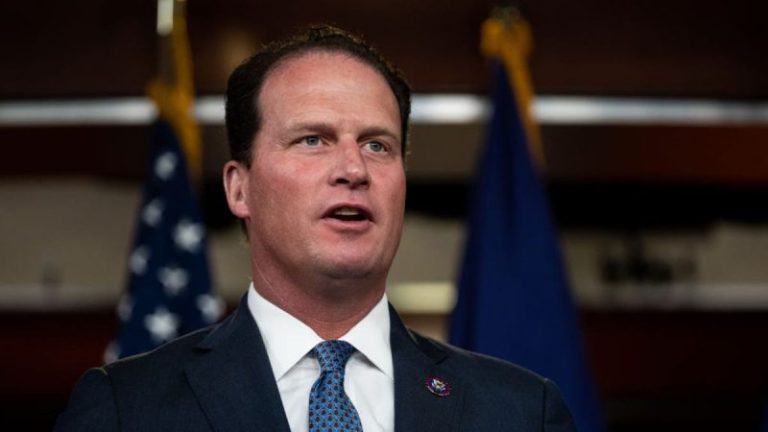
‘Jewish communities across the country are living in fear, and I am committed to standing with them. This roundtable comes at a critical moment: a far-left activist who has defended the phrase ‘globalize the intifada’ is inching closer to leading a city home to one of the world’s largest Jewish populations,’ Rep. August Pfluger, the chairman of the Homeland Security Committee’s counterterrorism and intelligence subcommittee, said in his opening statement, obtained by Fox News Digital. 

‘Antisemitic and anti-Israel rhetoric is becoming dangerously mainstream. We must act now to expose and combat this vile hatred wherever it is spread,’ Pfluger said. 

The roundtable focused on improving interagency coordination, intelligence sharing, training, and enforcement to better prevent and respond to antisemitic violence, according to a House Homeland Security Committee aide.

In particular, the meeting addressed ways to bolster communication between the Department of Homeland Security and the FBI, along with state and local law enforcement, according to Michael Masters, the CEO of the Secure Community Network, a non-profit organization focused on the safety of the Jewish community in North America. 

This interagency coordination is absolutely paramount as the Secure Community Network has flagged 500 credible threats to life this year – which all have required immediate law enforcement intervention, according to Masters. 

‘Bad guys don’t respect orders. Bad actors don’t respect jurisdictions, and that means that our intelligence can’t be siloed,’ Masters told Fox News Digital on Monday. 


Additionally, the roundtable’s discussion highlighted how extremist rhetoric can spread, especially on college campuses and via social media, the aide said. Since the outbreak of the Israel-Hamas war in October 2023, student protests have erupted across college campuses in the U.S., including at Columbia University in New York. 

Likewise, those participating in the roundtable addressed the prevalence of homegrown and foreign-influenced extremism, when one participant highlighted instances where anti-Israel terrorist organizations have disseminated tool kits and talking points aimed at promoting attacks in the U.S., the committee aide said. 

The discussion is expected to inform legislative priorities centered around bolstering officer training, improving data collection, and ensuring ‘robust prosecution’ of antisemitic offenses, the committee aide said. 

Those who participated in the roundtable included representatives from the Secure Community Networks; the Anti-Defamation League, an organization dedicated to stopping the defamation of the Jewish people; the Department of Homeland Security’s Office of Intelligence & Analysis; and law enforcement officials. 

Pfluger, a Republican from Texas, has spearheaded legislation that would bar any visa holders backing Hamas or other designated terror groups from staying in the U.S. 

He also led a hearing last month on the rise of antisemitic violence in the U.S., following a May shooting that killed two Israeli Embassy employees in Washington and a terrorist attack in Colorado targeting a grassroots group advocating for the release of Israeli hostages.

Antisemitic violence reached a new high in 2024, according to the Anti-Defamation League. 

The group recorded 9,354 antisemitic instances of harassment, assault, and vandalism in the U.S. in 2024 – a 5% increase from the 8,873 incidents recorded in 2023 and a 344% increase in the past five years. Likewise, the number of incidents is the highest the group has recorded since 1979, when the group first started tracking these cases. 

Incidents of antisemitic violence in 2024 were highest in the state of New York, where Mamdani is currently a state assemblyman. 

Mamdani has attracted scrutiny, including from Democrats, for initially failing to condemn the term ‘globalize the intifada,’ a phrase used to back Palestinian resistance against Israel. However, he has since said he will not use the term and will discourage others from using it as well. 

Still, concerns remain over what his potential leadership as mayor could mean for the Jewish community in New York City. Roughly 1.4 million people in the Greater New York Area identified as Jewish in 2023, according to UJA-Federation of New York. 

‘There’s a lot of fear in the Jewish community if this guy becomes mayor,’ New York City Republican councilwoman Inna Vernikov told Fox News Digital. 

‘This is a guy who wants to globalize the intifada,’ Vernikov said. ‘We’ve never seen anything close to this in New York City. We have the largest Jewish population in America, and I’ll tell you Jews are telling me they’re going to run away from New York City, and Jews have contributed a lot to the city and to this country, and the idea that they are now afraid to live here – it’s unacceptable and unprecedented really, this has never happened here.’

Fox News’ Andrew Mark Miller contributed to this report.

This post appeared first on FOX NEWS

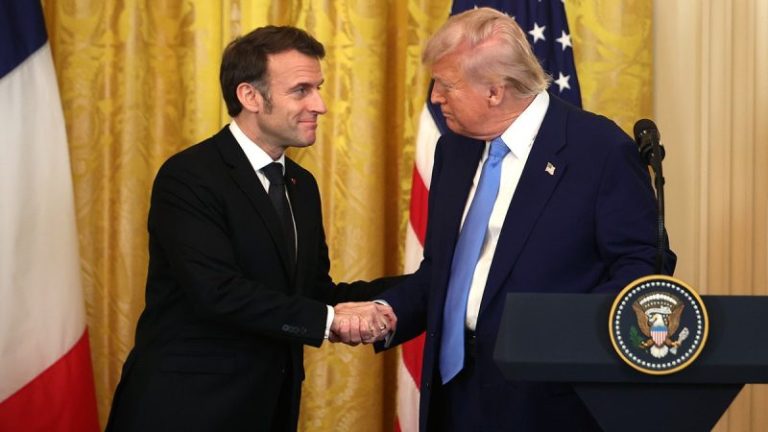
From Gaza to Greenland, French President Emmanuel Macron appears to be taking increasingly bolder diplomatic stabs at President Donald Trump’s foreign policy even though such gestures don’t ‘carry weight’ as Trump pointed out last week after the French leader declared his intention to recognize a Palestinian state.

‘French Presidents from Charles de Gaulle onwards have reveled in the idea that they are a natural counterweight to U.S. foreign policy on the international stage,’ Alan Mendoza, executive director of the U.K.-based Henry Jackson Society, told Fox News Digital Monday.

Charles de Gaulle was France’s long-serving leader in the 1950s and 1960s and was famously resistant to U.S. global dominance, withdrawing his country from NATO’s military command structure in a bid to increase its military independence and criticizing U.S. policies in Eastern Europe and Vietnam.

Such contrarian actions, Mendoza said, ‘have in many ways defined the French Fifth Republic, with larger-than-life characters thrusting their views onto the world stage.

‘The difference now is that France matters far less globally than it did 60 years ago,’ he said, adding that a weakening of the European country’s economy and its military might ‘means that where once de Gaulle could roar, now Macron whimpers.’ 

‘What was once a sign of French strength and confidence now therefore looks more like a desperate attempt to escape irrelevance,’ said Mendoza.

In a dramatic announcement last week, Macron said that at the United Nations General Assembly in September France intends to declare its recognition of a Palestinian state, even as Palestinian terror groups continue to battle Israel in the Gaza Strip. 

The statement drew condemnation from Israeli Prime Minister Benjamin Netanyahu, who said such a move ‘rewards terror.’ 

It was also criticized by Secretary of State Marco Rubio, who called the decision ‘reckless’ and ‘a slap in the face to the victims of October 7th.’ He said the U.S. strongly rejected such a plan. 

Trump merely dismissed Macron’s Gaza move, telling reporters at the White House Friday ‘what he says doesn’t matter.’ 

‘He’s a very good guy. I like him, but that statement doesn’t carry weight,’ the president said.

This is not the first time the president has discounted Macron as inconsequential.

Last month, after the French president speculated about Trump’s reasons for leaving the G7 summit in Canada early and returning to Washington, the president wrote on his Truth Social platform, ‘Wrong! He has no idea why I am now on my way to Washington, but it certainly has nothing to do with a Cease Fire. Much bigger than that. Whether purposely or not, Emmanuel always gets it wrong. Stay Tuned!’ 

In the same post, Trump said Macron was ‘publicity seeking.’ 

The disparaging comments came after Macron directly contradicted Trump’s foreign policy by stopping on his way to the summit in the semi-autonomous Arctic territory of Greenland, which Trump has said he wishes to acquire. 

‘Greenland is not to be sold, not to be taken,’ Macron declared in a diplomatic stab at Trump’s foreign policy and seemingly an attempt to rally support from other European countries to stand up to the U.S. 

Asked about Trump’s ambitions for Greenland, Macron, according to Reuters, said, ‘I don’t think that’s what allies do. …  It’s important that Denmark and the Europeans commit themselves to this territory, which has very high strategic stakes and whose territorial integrity must be respected.’

In February, the French president paid his first visit to the White House since Trump’s return to power, and while the meeting appeared to be warm, it also came amid tension over the U.S. approach to the Russia-Ukraine war.

Hours before the meeting, the U.S. voted against a United Nations resolution drafted by Ukraine and the European Union condemning Russia for its invasion.

Tensions between Macron and Trump are not personal, said Mendoza, but they are also not totally ideological. 

They stem from Macron’s ‘desire to be relevant and to stand for something,’ he said. ‘The French are famous contrarians, but they do it for the sake of being contrarian.’

Reuel Marc Gerecht, a resident scholar at the Foundation for Defense of Democracies, the Washington, D.C., think tank, said Macron was no ‘different from most European leaders. … Trump just isn’t their cup of tea.’

‘Most view Trump as a convulsive, hostile force who views America’s historic relationship with Europe as transactional,’ he said.  

‘Macron, like most French leaders, defines himself in part against the U.S.,’ Gerecht added, explaining that, traditionally, France and America ‘had a ‘mission civilisatrice’ or a competitive enlightenment mission.’ 

‘The American way has been enormously appealing in Europe since World War II, but it has come in part at the expense of the French, who have culturally lost a lot of ground to the Anglophones, especially the Americans,’ he said. ‘Consequently, many Frenchmen have a love-hate relationship with the U.S.’   

On Macron, Gerecht added, ‘He is part of the French elite. They are a bright lot who punch way above their weight, but, educationally, temperamentally, they are nearly the opposite of Trump.’ 

This post appeared first on FOX NEWS

Maritime Resources Corp. (TSXV: MAE,OTC:MRTMD) (‘Maritime’ or the ‘Company’) is pleased to announce the full cash repayment of the US$5 million principal amount owed under its non-convertible senior secured notes due on August 14, 2025 (the ‘Notes’), along with accrued and unpaid interest for the month of July 2025. In order to repay the Notes, the Company used the proceeds from its recently completed brokered ‘best efforts’ private placement offering of common shares in the capital of the Company, as announced on July 17, 2025. Payment for the Notes was processed today through Computershare Trust Company of Canada.

Garett Macdonald, Chief Executive Officer of Maritime, commented: ‘We would like to take this opportunity to thank each of the noteholders for their support of the acquisition of the Point Rousse Project which included the Pine Cove Mill in August 2023 through the senior secured note facility. The Company is once again debt-free with the full repayment of the Notes.’

About Maritime Resources Corp.

Maritime (TSXV: MAE,OTC:MRTMD) is a gold exploration and development company focused on advancing the Hammerdown Gold Project in the Baie Verte District of Newfoundland and Labrador, a top tier global mining jurisdiction. Maritime holds a 100% interest directly and subject to option agreements entitling it to earn 100% ownership in the Green Bay Property which includes the former Hammerdown gold mine and the Orion gold project. Maritime controls over 439 km2 of exploration land including the Green Bay, Whisker Valley, Gull Ridge and Point Rousse projects. Mineral processing assets owned by Maritime in the Baie Verte mining district include the Pine Cove mill and the Nugget Pond gold circuit.

On Behalf of the Board:

Maritime Resources Corp.

Garett Macdonald, MBA, P.Eng.
President and CEO
Phone: (416) 365-5321
info@maritimegold.com 
www.maritimeresourcescorp.com

Twitter
Facebook
LinkedIn
YouTube

Neither the TSX Venture Exchange nor its Regulation Services Provider (as that term is defined in the policies of the Exchange) accepts responsibility for the adequacy or accuracy of this release.

To view the source version of this press release, please visit https://www.newsfilecorp.com/release/260608

News Provided by Newsfile via QuoteMedia

This post appeared first on investingnews.com


Westport Fuel Systems Inc. (‘Westport’ or the ‘Company’) (TSX:WPRT Nasdaq:WPRT), today announced the successful closing of the previously announced transaction to divest its Light-Duty Segment and outlines its strategic vision for future growth, emphasizing expansion of market share, entering new markets and right sizing its current operations.


Today, Westport closed the sale of the Light-Duty Segment to a wholly-owned investment vehicle of Heliaca Investments Coöperatief U.A. (‘Heliaca Investments’), a Netherlands based investment firm supported by Ramphastos Investments Management B.V., a prominent Dutch venture capital and private equity firm (the ‘Transaction’). The Transaction, initially announced on March 31, 2025, includes the sale of Westport Fuel Systems Italia S.r.l., encompassing the Light-Duty OEM, delayed OEM, and independent aftermarket businesses. Total consideration for the assets was a base price of approximately $79.5 million (€67.7 million), subject to certain adjustments, along with potential earnouts of up to a revised estimate of $3.9 million (€3.3 million) based on future performance milestones.


‘The successful completion of the disposition of our Light-Duty Segment marks a pivotal step in strengthening our balance sheet,’ said Dan Sceli, Chief Executive Officer of Westport Fuel Systems. ‘More importantly, it allows Westport to sharpen our focus on the larger, higher-growth opportunities ahead, including providing the most economical solutions for heavier duty and high horse power commercial mobility and industrial applications that also deeply decarbonize these challenging segments – where we believe our products and technologies can deliver the greatest value.’


  The New Westport  


With the successful completion of the Light-Duty Segment divestiture, Westport is taking the necessary steps to execute on a new and focused integrated business strategy. The Company recognizes the evolving macroeconomic environment and is positioning itself to capitalize on renewed market momentum, drive operational excellence, and deliver on key financial objectives.


‘The transportation landscape is shifting, and customer demand for cleaner, smarter, and more sustainable solutions continues to accelerate,’ added Sceli. ‘We’re seeing renewed attention on CNG and LNG fuelled platforms and Westport is uniquely positioned to deliver the necessary products and technologies. By leveraging our core strengths in fuel-agnostic, high-pressure fuel systems, we aim to meet growing market demand and provide our customers with reliable solutions that perform – and in many cases are more affordable than the incumbant engines.’


During the upcoming Q2 financial results conference call, Westport will be covering additional details about the transaction and Westport’s strategy ahead. We will focus on key priorities, including:


  • Cespira: Strategic market expansion and technology leadership in heavy-duty transportation and off road high horse power mobility
  •  

  • High Pressure Controls and Systems: Complementing the energy transition with versatile solutions that support multiple powertrain platforms
  •  

  • Westport Financial Initiatives: Balancing opportunity scale, execution performance, and dynamic market conditions
  •  

Westport’s key focus going forward recognizes both the opportunities and headwinds in overall market conditions. We have initiated a comprehensive internal process to review additional ways to maximize our economic benefit from this recent transaction for our stakeholders. We look forward to providing additional insight and updates when we report Q2 2025 results on Monday, August 11, 2025, after market close.


  About Westport Fuel Systems  


Westport is a technology and innovation company connecting synergistic technologies to power a cleaner tomorrow. As a leading supplier of affordable, alternative fuel, low-emissions transportation technologies, we design, manufacture, and supply advanced components and systems that enable the transition from traditional fuels to cleaner energy solutions.


Our proven technologies support a wide range of clean fuels – including natural gas, renewable natural gas, and hydrogen – empowering OEMs and commercial transportation industries to meet performance demands, regulatory requirements, and climate targets in a cost-effective way. With decades of expertise and a commitment to engineering excellence, Westport is helping our partners achieve sustainability goals – without compromising performance or cost-efficiency – making clean, scalable transport solutions a reality.


 Westport Fuel Systems is headquartered in Vancouver, Canada. For more information, visit   www.westport.com   .


  Cautionary Note Regarding Forward-Looking Statements  


  This press release contains forward-looking statements, including statements regarding the anticipated benefits of the Transaction, including potential earn-out payments, the ability to strengthen our balance sheet, the ability to capitalize on higher-   growth opportunities   ,   and our expectations regarding the future success of our business.   Other forward-looking statements included in the release include those relating to Westport’s future strategic plans, business opportunities and use of the Transaction proceeds. These statements are neither promises nor guarantees but involve known and unknown risks and uncertainties and are based on both the views of management and assumptions that may cause our actual results, levels of activity, performance, or achievements to be materially different from any future results, levels of activities, performance, or achievements expressed in or implied by these forward-looking statements. These risks, uncertainties, and assumptions include those related to governmental policies, regulation and approval, the achievement of the performance criteria required for the earnout described above, purchase price adjustments contained in the Agreement, the demand for our products, as well as other risk factors and assumptions that may affect our actual results, performance, or achievements, as discussed in our most recent Annual Information Form and other filings with securities regulators. Readers should not place undue reliance on any such forward-looking statements, which speak only as of the date they were made. We disclaim any obligation to publicly update or revise such statements to reflect any change in our expectations or in events, conditions, or circumstances on which any such statements may be based, or that may affect the likelihood that actual results will differ from those set forth in these forward-looking statements except as required by National Instrument 51-102. The contents of any website referenced in this press release are not incorporated by reference herein   .  


  Investor Inquiries:  
Investor Relations
T: +1 604-718-2046
E:   invest@westport.com   


News Provided by GlobeNewswire via QuoteMedia

This post appeared first on investingnews.com

The uranium market entered Q2 on shaky footing, with spot prices slipping to around US$63.50 per pound (March 13)—the lowest level in 18 months—as utilities hesitated to contract amid ample secondary supply and demand uncertainty.

By early June, however, spot prices rebounded to the US$70–US$71 per pound range, buoyed by geopolitical tailwinds and renewed nuclear policy support in the US.

While the spot market showed typical volatility, long-term contract prices remained stable around US$80 for the first six months of the year, underscoring producer discipline.

Utilities have so far stayed largely on the sidelines, but expectations are mounting for a wave of contracting in the second half.

Uncertainty impacting utility sentiment

Trade tensions and tariff threats from US President Donald Trump have been a catalyst for volatility in the uranium market through the first half of 2025.

Term uranium contracting remains well below replacement levels despite firm prices and growing demand, according to Oceanwall’s Ben Finegold.

“Term prices are sitting around US$80 per pound right now—roughly US$6 to US$7 above spot—but it’s still extremely difficult to get reliable data on actual volumes and pricing,” said Finegold during the Bloor Street Capital Virtual Uranium Conference in June.

By mid-year only 25 million pounds had been contracted, putting the market on track to fall 75 percent short of replacement-rate contracting. That shortfall has been a recurring issue, with contracting volumes lagging for more than a decade.

While 2023 saw the strongest term contracting in years (160 million pounds), about 30 percent of that came from a single deal. In 2024, 110 million pounds were contracted, well above where 2025’s totals are likely to fall.

Uncertainty continues to weigh heavily on term uranium contracting, particularly among U.S. utilities, who remain unsure about the future of US-Russia relations and whether Russian supply will remain accessible.

“There’s a certain naivety among fuel buyers,” said Finegold, referencing a recent conversation with a former buyer who suggested utilities have grown used to a decade-long environment where they could easily dip in and out of the spot or term market.

But that era may be ending.

“I just don’t see a situation where the supply-demand fundamentals get better for utilities,” the source added.

Despite global momentum—31 countries aim to triple or quadruple nuclear capacity by 2050 and the US government has pledged US$75 billion toward domestic reactor builds—contracting volumes remain surprisingly low.

“It’s a pressure cooker,” said Finegold. “At some point something has to give—and when utilities return to the term market, history shows they tend to do so all at once.”

Supply gap to collide with surging demand

From a structural perspective, the market is grappling with a widening supply deficit: global production in 2024 met just 80 percent–90 percent of reactor demand, with the shortfall made up through inventories and spot purchases—a buffer that is fading fast.

Meanwhile, development pipelines are thin, projects suffer regulatory delays, and geopolitical constraints—including Russia sanctions—further limit available supply options. Further compounding the issue are the 69 nuclear reactors that are in the process of being built, in addition to the 440 operational reactors around the globe.

The need for uranium is especially prevalent in the US where 45 million pounds are consumed annually, while the country produces roughly 1 percent of that.

In an effort to remedy this discrepancy, President Trump issued several Executive Orders in early 2025 and targeted energy production in his “big beautiful bill”.

Included within these measures Trump has proposed an increase in nuclear energy targeting 400 gigawatts by 2050.

The uptick would mark a fourfold increase from the country’s current 100 gigawatts of capacity—far exceeding the International Atomic Energy Agency’s projected range of 89 to 142 gigawatts for all of North America.

If realized, this expansion would push U.S. uranium demand from about 50 million pounds of U3O8 equivalent annually to nearly 200 million pounds—an amount that alone would nearly double current global mine output, which UxC estimates at 164 million pounds for 2025.

“The US is signaling a once-in-a-generation commitment to domestic uranium independence and advanced nuclear deployment,” wrote Sprott’s Jacob White, in a June uranium report.

While the scale of future demand will depend on execution challenges such as permitting, grid infrastructure, and financing, analysts say the scenario presents “asymmetrically positive” risk, offering potential upside to long-term uranium demand forecasts.

This thesis was further bolstered when the Trump admin fast tracked permitting for the Anfield Energy’s (TSXV:AEC,OTCQB:ANLDF) Velvet-Wood project in Utah and Laramide Resources’ (TSX:LAM,ASX:LAM,OTCQX:LMRXF) Crownpoint-Churchrock and La Jara Mesa uranium projects in New Mexico.

“For the first time under the current policy framework, a uranium mine, Anfield’s … received US approval in just 14 days,” the Sprott report noted.

“This demonstrates how quickly support for domestic supply can translate into tangible action. The project was permitted under Trump’s emergency energy declaration, reinforcing a shift toward uranium as a strategically vital input.”

Elsewhere uranium supply could face headwinds. Kazakhstan, which accounts for roughly 40 percent of global uranium output, is unlikely to boost production meaningfully.

“I see Kazakhstan as sort of the 800 pound gorilla in the room,” said Finegold.

Kazatomprom, the country’s state-owned uranium company, reduced its 2025 production guidance, by 12 percent–17 percent, due to a critical shortage of sulfuric acid, the chemical essential for its in-situ leach mining process.

Further complicating the outlook, the company’s planned acid production facility isn’t expected online until 2026 or later. Additionally, anticipated increases in Kazakhstan’s mineral extraction tax beginning in 2025 threaten to raise production costs significantly, eroding the company’s historical cost advantage over peers.

Finegold also sees potential issues arising in projected Canadian supply. He noted that the market assumes that developers like NexGen Energy (TSX:NXE,NYSE:NXE), Denison Mines (TSX:DML,NYSEAMERICAN:DNN), Fission Uranium (TSX:FCU), and Paladin Energy (ASX:PDN,OTC:PALAF) will hit timelines and budgets

“And that’s just not how uranium mining works,” he said, pointing to similar issues with North American counterpart Peninsula Energy ASX:PEN,OTC:PENMF).

Peninsula just canceled contracts for 2 million pounds—that demand doesn’t disappear,” he said. “It’ll need to be filled elsewhere, likely via the spot market.”

Uranium-themed equities surge on global nuclear momentum

As highlighted in the Sprott report uranium’s mid-year price ignited a rally in mining equities which posted a 16.22 percent gain by June.

“This sharp equity rebound points to the sector’s leverage to increases in the spot price and catch-up potential, especially as investor sentiment begins to recover,” it read.

Furthermore, the Sprott Physical Uranium Trust’s (TSX:U.U,OTCQX:SRUUF) mid-June US$200 million capital raise bolstered market sentiment and boosted uranium prices and equities.

As John Ciampaglia, CEO of Sprott explained during the virtual uranium event, the move was a strategic play aimed at taking advantage of what the firm viewed as a temporary and unsustainable dip in uranium prices.

He noted investors from Australia led the raise, followed by North American and European interest.

Van Eck’s Uranium and Nuclear Technologies UCITS ETF (LSE:NUCL), also made large gains in 2025, growing its assets under management to over US$500 million in mid-June and then to US$926.6 million by the end of July.

“Nuclear re-entered the public conversation in 2024,” said Sudiyarov, noting the shift followed years of muted sentiment in the wake of the 2011 Fukushima disaster.

While 2022 marked the initial turning point—spurred by Europe’s energy crisis and an urgent search for stable power sources—it wasn’t until last year that nuclear power fully took center stage.

“In 2022 and 2023, the uranium price story led the narrative, but in 2024, nuclear itself became the headline,” he said, pointing to growing political support and corporate endorsement, including power purchase agreements signed by major US tech firms.

The fund also benefited from its lighter exposure to uranium prices compared to peers, allowing it to outperform during a period of spot price softness. “That combination of strong nuclear sentiment and more resilient positioning helped us attract significant inflows.”

Tracking the MarketVector Global Uranium and Nuclear Energy Infrastructure Index, the fund holds roughly 33 companies across the uranium fuel cycle, reactor technologies, services, and utilities.

The ETF is structured around three distinct pillars, according to Sudiyarov.

“The first pillar is uranium miners and companies in the uranium business,” he said, noting this includes traditional miners as well as firms like Yellow Cake that stockpile physical uranium.

The second category focuses on nuclear pure plays, including small modular reactor (SMR) developers like NuScale (NYSE:SMR) and domestic nuclear fuel producers such as Centrus Energy (NYSE:LEU).

The third pillar was developed to broaden exposure beyond competitors’ uranium-heavy strategies.

“We wanted a more even split,” Sudiyarov explained. “So we decided to tap into industrial conglomerates with significant nuclear business units.”

On the investor side, interest in uranium appears to be growing.

“Last year, I had maybe one or two calls about uranium. This year, I’ve had a lot already,” he said, suggesting rising attention from institutional investors.

Growing political acceptance, especially around energy security and defense, has helped reduce the hesitation seen among more conservative investors.

“Once they realize the theme is back in vogue, they feel more comfortable,” he said.

Securities Disclosure: I, Georgia Williams, hold no direct investment interest in any company mentioned in this article.

This post appeared first on investingnews.com

Sranan Gold (CSE:SRAN,FSE:P84) is a junior exploration company focused on Suriname, a South American country that produces over 600,000 ounces of gold annually. The company’s flagship project is located in the highly prospective Guiana Shield, one of the world’s most underexplored and gold-rich geological regions.

Sranan’s 29,000-hectare Tapanahony gold project sits atop a historic mining belt with strong geochemical and structural markers. Leveraging local knowledge, legacy drill data, and modern exploration tools, the company aims to define its first gold resource along a 4.5 km mineralized corridor.

Backed by the discovery team behind Suriname’s major deposits—Merian, Rosebel, and Saramacca—Sranan is targeting hard-rock gold beneath saprolite zones, with plans to accelerate drilling, grow its land position, and deepen community ties.

Company Highlights

  • District-scale land position: The 29,000-hectare Tapanahony project covers one of Suriname’s oldest and most productive artisanal mining districts, offering untested hard-rock upside within the Guiana Shield, home to numerous multi-million-ounce gold deposits.
  • Immediate drill targets: A 10,000-metre diamond drilling program is set to kick off in 2025 across the 4.5 km Poeketi-Randy trend, targeting high-grade shear zones validated by historic IAMGOLD drilling.
  • World-class discovery pedigree: The technical team has led or co-led discoveries at Merian (7 Moz, Newmont), Rosebel (13.7 Moz, now Zijin) and Saramacca (1.5 Moz).
  • Deep in-country knowledge: Geologists are locally trained at Anton de Kom University and have decades of experience in Suriname’s regolith-dominated terrain.

This Sranan Gold profile is part of a paid investor education campaign.*

Click here to connect with Sranan Gold (CSE:SRAN) to receive an Investor Presentation

This post appeared first on investingnews.com

From established players to up-and-coming firms, Canada’s pharmaceutical company landscape is diverse and dynamic.

Canadian drug companies are working to discover and develop major innovations amidst an increasingly competitive global landscape. Rising technologies such as artificial intelligence are playing a role in the landscape as well.

Read on to learn about what’s been driving the share prices of the best-performing Canadian pharma stocks.

1. Cipher Pharmaceuticals (TSX:CPH,OTC:CPHRF)

Year-over-year gain: 48.2 percent
Market cap: C$330.79 million
Share price: C$12.33

Cipher Pharmaceuticals is a specialty pharma company with a diverse portfolio of treatments, including a range of dermatology and acute hospital care products. The company has out-licensed some of its offerings as well. Cipher began trading on the OTCQX Best Market under the symbol CPHRF in early 2024.

In addition to its current portfolio, Cipher has acquired Canadian rights to CF-101, a dermatology treatment for moderate to severe plaque psoriasis is currently expected to undergo Phase III clinical trials. The company is also conducting proof-of-concept studies on DTR-001, a topical treatment for removing tattoos.

In 2024, Cipher announced it had signed a definitive asset purchase agreement with ParaPRO for its US-based Natroba operations and global product rights, and the news caused Cipher’s share price to spike significantly.

During its Q1 results reporting in May 2025, the company announced a US$15 million debt repayment.

2. HLS Therapeutics (TSX:HLS)

Year-over-year gain: 42.03 percent
Market cap: C$154.95 million
Share price: C$4.90

HLS Therapeutics focuses on drugs for cardiovascular and central nervous system problems, often through partnerships. The company specializes in acquiring and commercializing pharmaceuticals that address unmet needs. Key commercial products include Vascepa, Clozaril for treatment-resistant schizophrenia and cholesterol-lowering therapies NEXLETOL and NEXLIZET.

Additionally, the company generates revenue from a diversified portfolio of royalty interests on various products marketed by third parties.

3. Medexus Pharmaceuticals (TSX:MDP,OTC:MEDXF)

Year-over-year gain: 23.25 percent
Market cap: C$92.9 million
Share price: C$2.81

Medexus Pharmaceuticals specializes in bringing drugs to treat rare diseases to North America. The company manages the entire process through its fully integrated operations, from acquiring and developing drugs to marketing and selling them. Some of its key products include treatments for hemophilia B and rheumatoid arthritis, as well as a line of drugs for autoimmune diseases like lupus and allergy treatments.

In November 2024, Medexus Pharmaceuticals announced it had successfully negotiated with the pan-Canadian Pharmaceutical Alliance to make treosulfan, which Medexus commercialized in Canada under the name Trecondyv, available to publicly funded drug programs and patients. Trecondyv is indicated as part of conditioning treatment prior to bone marrow transplants in patients with certain types of blood cancers.

In addition to Canada, Medexus has the exclusive commercialization rights to treosulfan in the US, where it received approval from the US Food and Drug Administration (FDA) in January 2025.

4. Satellos Bioscience (TSXV:MSCL,OTC:MSCLF)

Year-over-year gain: 18 percent
Market cap: C$102.26 million
Share price: C$0.59

Satellos Bioscience is a Canadian pharmaceutical company expanding treatment options for muscle disorders. The company has focused specifically on Duchenne muscular dystrophy, developing therapies to regenerate and repair muscle tissue by targeting the specific biological pathways involved. Its lead candidate SAT-3247 targets a protein called AAK1, which regulates the activity of stem cells that activate and differentiate new muscle fibers.

The company began enrolment for a multiple-ascending-dose arm of the Phase 1 study for SAT-3247 last November after no drug-related adverse events were reported in the single-ascending-dose group.

In May of this year, Satellos announced results from its Phase 1b trial, reporting SAT-3247 has shown positive safety and pharmacokinetic data and encouraging early functional results, clearing the path for a planned Phase 2 trial.

5. NurExone Biologic (TSXV:NRX,OTC:NRXBF)

Year-over-year gain: 1.41 percent
Market cap: C$44.18 million
Share price: C$0.72

NurExone Biologic is the biopharmaceutical company behind ExoTherapy, a drug delivery platform that uses exosomes, which are nano-sized extracellular vesicles, to create treatments for central nervous system disorders, spinal cord injuries and traumatic brain injuries. It is a less invasive alternative to cell transplantation, which requires surgery and carries the risk of rejection.

NurExone’s first nano-drug, ExoPTEN, uses a proprietary sIRNA sequence delivered with the ExoTherapy platform to treat spinal cord injuries. ExoPTEN received orphan drug designation from the US Food and Drug Administration (FDA) in October 2023, meaning it has been recognized as a potential treatment for rare medical conditions. The designation makes it eligible for incentives such as market exclusivity and regulatory assistance aimed at accelerating its development and approval.

The company released preclinical results from animal testing evaluating the efficacy of its nano-drug ExoPTEN in restoring lost vision at the end of 2024. In July 2025, preclinical studies indicated that ExoPTEN could improve walking quality in patients with spinal cord injuries.

Securities Disclosure: I, Meagen Seatter, hold no direct investment interest in any company mentioned in this article.

This post appeared first on investingnews.com
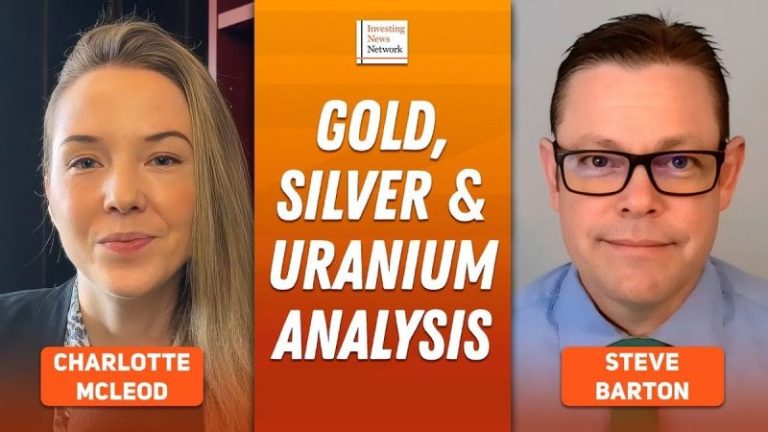
“Whatever is out of favor and hated at the moment, that’s probably what you need to buy,” he said. “Buy it when it’s boring and no one cares, then you get to ride the wave up.”

Barton also broke down his current portfolio, which holds a 30 percent weighting in precious metals—particularly gold—citing concerns over currency policies and the long-term upside for gold and silver.

Watch the interview above for more from Barton on the similarities between poker and resource investing.

Securities Disclosure: I, Georgia Williams, hold no direct investment interest in any company mentioned in this article.

This post appeared first on investingnews.com