Author

admin

Browsing

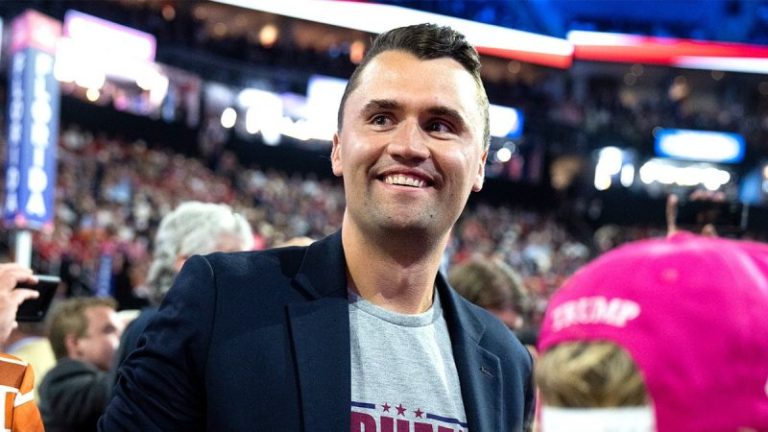
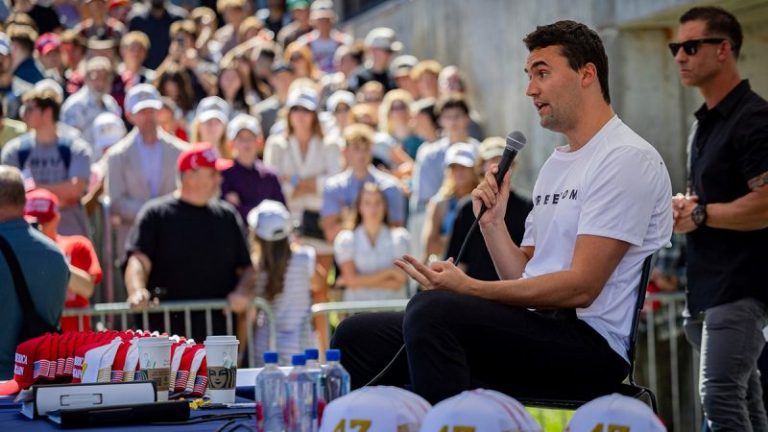
The rifle that federal investigators believe was used in the shooting that killed conservative activist Charlie Kirk contained ammunition inscribed with anti-fascist messaging, shedding light on the suspect’s motive.

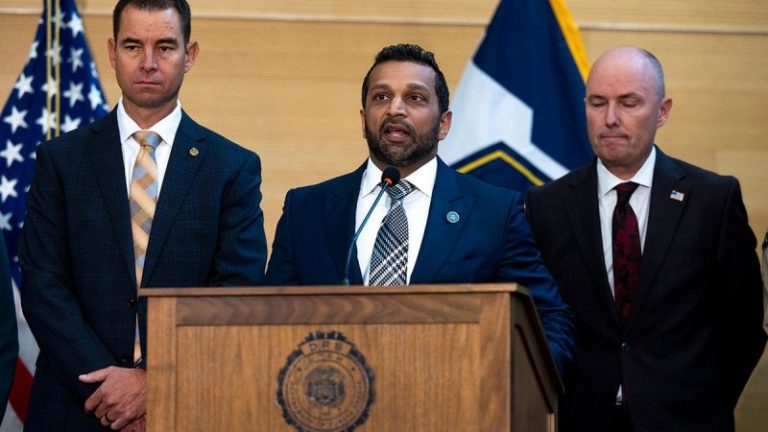
Utah Gov. Spencer Cox confirmed the messaging at a news conference Friday, saying investigators discovered inscriptions on casings found with a bolt-action rifle near the Utah Valley University campus, where Kirk was killed during an event.

One used casing and three unused casings contained the writings, Cox said.

News of the ammunition inscriptions was first shared on social media Thursday morning in a preliminary bulletin attributed to the Bureau of Alcohol, Tobacco, Firearms and Explosives. 

According to the bulletin, circulated on X by political commentator Steven Crowder, federal officials recovered a .30-06 caliber Mauser rifle in the woods that contained ‘engravings,’ including messaging expressing anti-fascist ideology and other messages.

Fox News Digital confirmed the veracity of the ATF bulletin through talking to multiple sources, but the sources stressed on Thursday that the information was preliminary.

The information about the firearm surfaced nearly 24 hours after Kirk, 31, was shot and killed during a speaking engagement in Utah. Both his graphic death and the scant public information revealed in the early hours of the investigation into his killing left the nation reeling and revived heated debate about political violence in the U.S.

Law enforcement officials worked frantically in the aftermath of Kirk’s death to track down and arrest the gunman, who they announced Friday was Tyler Robinson, a 22-year-old Utah man.

Cox on Friday called the shooting a ‘political assassination.’

‘This is certainly about the tragic death, assassination, political assassination of Charlie Kirk, but it is also much bigger than an attack on an individual,’ Cox said. ‘It is an attack on all of us. It is an attack on the American experiment.’

FBI Director Kash Patel laid out the timeline of the investigation Friday, saying it took the FBI and Utah law enforcement 33 hours to make an arrest. Patel said authorities made ‘historic progress’ in such a short duration of time.

The FBI’s Salt Lake City Field Office released an image Thursday of a man they had said was a ‘person of interest’ in Kirk’s death and asked the public for help identifying him. The bureau also announced it was offering a $100,000 reward for information leading to his capture. Cox said a tip from a family friend of Robinson’s led to his arrest.

This post appeared first on FOX NEWS

After the assassination of conservative commentator Charlie Kirk sent shockwaves through the political landscape this week, Fox News Digital spoke to several high-profile conservative speakers about the future of the movement and the influence Kirk’s legacy and style will have on it. 

‘Conservatives will not be silenced,’ Heather Mac Donald, Thomas W. Smith Fellow at the Manhattan Institute and a contributing editor of City Journal, told Fox News Digital, adding that Kirk ‘would not have been silenced’ so conservatives should ’emulate his courage.’

Columnist and commentator Bethany Mandel told Fox News Digital that Kirk’s assassination was ‘absolutely an effort to try to silence conservatives’ and that ‘we have to resist the temptation to allow that.’

‘We need to keep speaking out and double down on not only Charlie’s message, but his methodology,’ Mandel said.

Kirk was assassinated on Wednesday while speaking to thousands of students at Utah Valley University when a gunman positioned on a nearby roof fired a single shot, striking Kirk in the neck.

Kirk was rushed to Timpanogos Regional Hospital, where he was pronounced dead, prompting an outpouring of support from conservatives across the globe, including President Trump who called the killing a ‘dark moment for America.’

On Friday, authorities announced that they had arrested a suspect, 22-year-old Utah resident Tyler Robinson.

‘Charlie Kirk was a good man,’ John Ashbrook, co-host of the conservative podcast Ruthless, told Fox News Digital. ‘And his legacy will endure because none of us will ever forget his leadership nor the voice he provided for millions of regular people across this country.’

Mac Donald told Fox News Digital that it is ‘hard to imagine’ Kirk was killed for ‘any other reason than that he was breaking the stranglehold of anti-Western ideology on college campuses and beyond.’

‘It was sadly fitting that he was killed at a college campus, and not even one known for its leftward leanings, since colleges are the seed bed of modern day speech suppression and the false equations that political contrarian speech = hate speech and that hate speech may be snuffed out—apparently by any means necessary,’ Mac Donald said. 

‘The killer apparently agreed with those would-be censorers.  The self-centeredness and historical and moral ignorance of coddled American students has bloomed into something more pernicious, as the beatification of Luigi Mangione already showed.’

Going forward, in terms of security at events for prominent conservative speakers, Mandel called on campuses and cities that ‘claim to care about the future of America and civil discourse’ to step up and ‘ensure adequate security.’

‘We should not have to pay tax in the form of security in order to safely share our political opinions,’ Mandel told Fox News Digital. 

Conservatives have rallied around Kirk’s style of speaking out publicly and exchanging ideas with those who disagree, including prominent influencer Ben Shapiro who wrote on X that ‘we will never stop debating and discussing.’

‘We will never stop standing up for what America is and what she should be,’ Shapiro said, adding that he intends to continue speaking at colleges across the country despite the inherent dangers. 

Mac Donald told Fox News Digital, ‘It is a cliché and self-serving to say: they fear us because we are winning, but presumably, there is less of a perceived need to efface someone who is losing a cause anyway. Kirk was feared because he was winning.’

This post appeared first on FOX NEWS

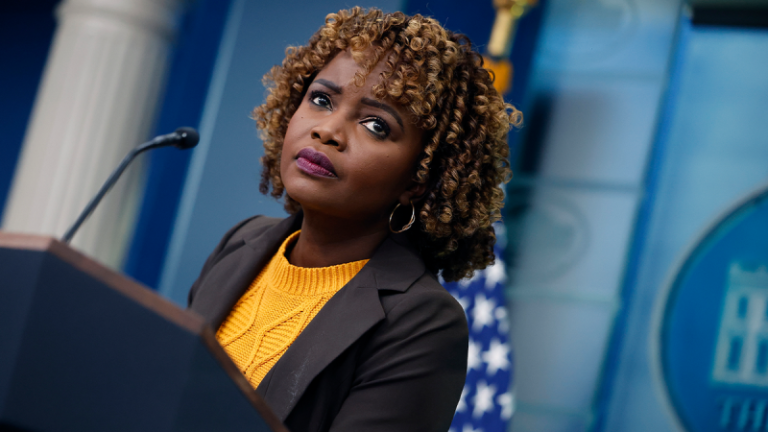
Former White House press secretary Karine Jean-Pierre is appearing before the House Oversight Committee on Friday for a high-profile interview on whether senior staffers worked to obscure signs of mental decline in then-President Joe Biden.

Jean-Pierre is one of the highest-profile figures so far to appear before the committee, having been the most public-facing spokesperson for Biden from May 2022 until the end of his term.

The longtime Democrat-turned-Independent did not speak to reporters on her way into her closed-door transcribed interview with House investigators, which is scheduled to begin at 10 a.m. and is likely to last into the afternoon.

House Oversight Committee Chair James Comer, R-Ky., is investigating whether there was a cover-up of Biden’s mental and physical state in the White House, and whether any executive actions were approved via autopen without the then-president’s full awareness.

Of particular interest to committee investigators are the myriad clemency orders Biden signed, including about 2,500 toward the end of his presidency that were executed via autopen.

Biden himself told The New York Times recently that he made every clemency decision on his own. His allies have also blasted the Republican-led probe as a partisan exercise.

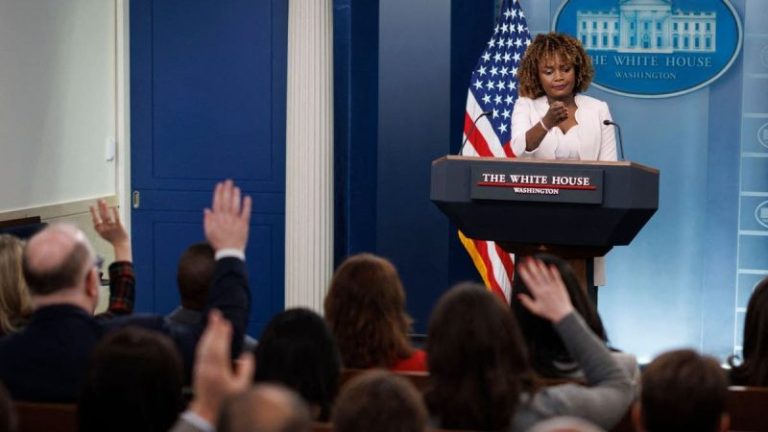
Jean-Pierre was among those who publicly defended Biden in the wake of his disastrous June 2024 debate against then-candidate Donald Trump. She told reporters at a press briefing in early July that Biden was ‘as sharp as ever.’

But unlike other ex-Biden administration aides who have appeared ahead of her – many of whom still hold close ties and fierce loyalty to Biden – Jean-Pierre had a very public falling out with their world earlier this year.

In June, Jean-Pierre announced she was writing a book titled ‘Independent: A Look Inside a Broken White House, Outside the Party Lines.’

She also announced she was leaving the Democratic Party in a press release for that book, expected in October 2025.

A summary for her book suggests it is about ‘the three weeks that led to Biden’s abandonment of his bid for a second term and the betrayal by the Democratic Party that led to his decision.’

The announcement was reportedly met with scorn by others in Biden’s orbit.

‘The hubris of thinking you can position yourself as an outsider when you not only have enjoyed the perks of extreme proximity to power — which…bestows the name recognition needed to sell books off your name — but have actively wielded it from the biggest pulpit there is, is as breathtaking as it is desperate,’ one former official told Axios.

Another person told the outlet she ‘was one of the most ineffectual and unprepared people I’ve ever worked with.’

Comer sent a letter to Jean-Pierre in late June asking her to appear for an interview, in which he pointed out she was ‘a trusted inner-circle confidante’ and ‘near the president daily.’

‘Your assertion, on multiple occasions, that President Biden’s decline was attributable to such tactics as ‘cheap fakes’ or ‘misinformation’ cannot go without investigation. If White House staff carried out a strategy lasting months or even years to hide the chief executive’s condition — or to perform his duties — Congress may need to consider a legislative response,’ Comer wrote.

This post appeared first on FOX NEWS

Former White House press secretary Karine Jean-Pierre told House investigators that she did not see a change in former President Joe Biden’s competency over several years, but she acknowledged that he was ‘not the same speaker he was when she met him.’

Jean-Pierre was the latest in a string of former Biden White House officials to be interviewed by House Oversight Committee investigators over an alleged cover-up of the ex-president’s mental acuity.

She did not speak to reporters on her way into the interview just off Capitol Hill, nor did she speak after the nearly five-hour, closed-door transcribed interview.

But a source familiar with the interview shared with Fox News Digital that Jean-Pierre told investigators that while working for Biden in various capacities from 2009 to 2025, ‘she did not see a change in President Biden’s competency.’

‘She did acknowledge President Biden is not the same speaker he was when she met him,’ the source noted.  ‘She does not know why his speaking changed and never asked him.’

Jean-Pierre, who is one of the most high-profile figures from the Biden administration to appear before the committee, was among those who publicly defended Biden after his June 2024 debate against then-presidential candidate Donald Trump.

During the debate, Jean-Pierre said she was told by ‘senior staff that President Biden had a cold,’ the source said.

Shortly after the debate, she told reporters at a press briefing in early July that Biden was ‘as sharp as ever.’

Jean-Pierre told investigators that talking points were entered into her binder for press briefings by ‘various advisors,’ but specifically ones related to Biden’s health and mental acuity ‘were handled exclusively at the senior level.’

She cited the ‘cheap fakes’ talking point, which at the time, Jean-Pierre charged were people online manipulating videos of Biden to mislead the public on his health and cognitive ability. She told investigators that point in particular ‘appeared as a talking point in her binder, but she does not know specifically who added it.’

She also said that she never spoke with anyone in the White House ‘personally concerned about President Biden’s health.’

Jean-Pierre began her role as White House press secretary in 2022, shortly after former White House press secretary Jen Psaki left the position, and she stayed on until the end of Biden’s presidency in January.

But her relationship with Biden-world became estranged after her departure from the Democratic Party earlier this year, which was announced in a press release for her forthcoming book, ‘Independent: A Look Inside a Broken White House, Outside the Party Lines.’

Jean-Pierre’s appearance before investigators came as House Oversight Committee Chair James Comer, R-Ky., said earlier this week that his panel’s ongoing probe into Biden’s use of an autopen was coming to its conclusion.

The focus in particular was whether top officials engaged in a cover-up of Biden’s mental and physical state in the White House, and whether any executive actions or a litany of pardons were approved via autopen without the then-president’s full awareness.

Comer said heading into the hearing that one of the questions at the top of his mind were whether ‘these pardons and executive orders [are] legal?’

‘I don’t think anyone’s going to argue that the process that was used for these autopens is the ideal process,’ Comer said. ‘And what we’ve seen with the emails that have surfaced in the last week — even the Merrick Garland Department of Justice was very concerned about how this administration was using the autopen.’

‘When people in the Department of Justice email people who they believe were the ones making the decisions on the autopen,’ he continued. ‘And asked the question via email from the Department of Justice, ‘Does the president even know who they just pardoned?’ I mean, that’s very concerning.’ 

Fox News Digital reached out to Jean-Pierre’s lawyers and Biden’s office but did not immediately receive a response.

This post appeared first on FOX NEWS

Lawmakers are divided on whether to tone down heated rhetoric after conservative activist Charlie Kirk was shot and killed at Utah Valley University on Wednesday, reigniting debate over the role fiery language plays in America’s surge of political violence.

Political violence has been a steady constant in recent years, including a pair of assassination attempts against President Donald Trump in 2024 and the slaying of a Democratic state lawmaker in Minnesota earlier this year.

Kirk’s death has again reignited the discussion on what role political rhetoric, be it inside the walls of Congress or around the country, has to play in political violence in the U.S.

‘This is on all of us, right?’ Rep. Jared Moskowitz, D-Fla., told Fox News Digital. ‘I mean, you know, everyone’s been ramping up the rhetoric, right?

‘If the left is going to blame the right, and the right is going to blame the left, and we’re going to continue to say ‘It’s your fault,’ and we’re not collectively going to try to bring it down together, then this cycle is just going to continue to go on.’

And Republican leaders are hoping to turn the temperature down in Congress in the wake of Kirk’s death.

‘I’m trying to turn the temperature down around here,’ House Speaker Mike Johnson, R-La., said. ‘I always do that. I’ve been very consistent.’

Senate Majority Whip John Barrasso, R-Wyo., told Fox News Digital he believed reining in hostile or divisive rhetoric is ‘always a conversation with people in leadership.’

‘And it should be in both parties to make sure that you don’t incite this kind of an activity,’ he said.  ‘And you just don’t know somebody, and based on their mental health, what kind of activity they may — what role that may play in this. We still don’t know what’s happened here.’

Some lawmakers fear that the escalation in political violence has America returning to the violent and chaotic time of the 1960s, which saw the assassinations of civil rights leaders Dr. Martin Luther King Jr., Medgar Evers, John F. Kennedy and his brother and presidential hopeful Robert F. Kennedy, among others.

‘The message was love and not violence,’ Rep. Glenn Ivey, D-Md., said of the turmoil in the 1960s. ‘So, you know, returning to a message like that could be good, but it didn’t change the outcome of the assassinations during that era. So, I don’t know that there’s an easy answer.’

Still, emotions were running high on the Hill in the days following the shooting at Utah Valley University, which resulted in a two-day manhunt and the eventual arrest of 22-year-old Tyler Robinson.

When asked how much of a role rhetoric had to play in Kirk’s slaying, Rep. Ralph Norman, R-S.C., said, ‘A lot.’

‘You say you’re a Nazi and a fascist and a threat to democracy, how does that help? If you disagree on issues, that’s one thing, but [you’re] not saying that,’ Norman said. ‘The left is a poster child.’

Sen. Bernie Moreno, R-Ohio, told Fox News Digital he had known Kirk for a decade and noted that the late founder of Turning Point USA ‘stood for the open exchange of ideas.’

‘I think what we have to learn from that is that we need to go back to the principles that built this country, which is that it is actually a positive and healthy thing to debate ideas,’ Moreno said. ‘We don’t have to be mad at each other because we have a different point of view, let alone escalate the violence.’

But Moreno noted that for the last decade, Trump and Republicans like himself have been compared to Adolf Hitler, Nazi sympathizers and fascists, ‘which the Democrats do every single day.’

‘What’s the problem?’ Moreno said. ‘Like, you signed up for politics, you got to be able to have a thick skin. It’s not about that. It’s about that you send a message to crazy people, that says, ‘You’re actually doing a good deed if you kill somebody who would otherwise be a Nazi and a fascist who will end our democracy.”

Trump put the blame, in part, on Democrats in an address to the nation on Wednesday night, where he charged that ‘those on the radical left have compared wonderful Americans like Charlie to Nazis and the world’s worst mass murderers and criminals.’

He repeated that sentiment during an appearance on ‘Fox & Friends’ Friday morning when he was asked about radical elements on the conservative side of the aisle.

‘I’ll tell you something that’s gonna get me in trouble, but I couldn’t care less,’ Trump said. ‘The radicals on the right oftentimes are radical because they don’t want to see crime. The radicals on the left are the problem.’

When asked for his response to Trump’s address, Senate Minority Leader Chuck Schumer, D-N.Y., said, ‘This is a time that all Americans should come together and feel and mourn what happened.

‘Violence affects so many different people, so many different political persuasions,’ he said. ‘It is an infliction on America, and coming together is what we ought to be doing, not pointing fingers to blame.’

This post appeared first on FOX NEWS

The FBI’s success in apprehending Charlie Kirk’s alleged assassin came one day after Director Kash Patel initially misreported that a suspect was in custody, a move that sparked consternation and criticism as the nation reeled over Kirk’s violent death.

Patel’s misstep during the fast-moving investigation was overshadowed Friday by the breakthrough news that a 22-year-old Utah man had been detained and will face charges for the deadly shooting. But the flaws during the whirlwind 33-hour manhunt did not go unnoticed.

Patel on Thursday announced — then quickly retracted — that authorities had detained the person responsible for killing Kirk.

Fox News’ Laura Ingraham responded ‘unreal’ to Patel’s revelation that the gunman was still at large. Conservative activist Chris Rufo said Friday he was ‘grateful’ authorities arrested a suspect but that it was ‘time for Republicans to reassess’ whether Patel was fit for the job.

‘He performed terribly in the last few days,’ Rufo wrote on social media Friday, adding that he has been talking with conservative leaders who are questioning the FBI’s leadership structure, which includes Patel, Deputy Director Dan Bongino, and, as of next week, Andrew Bailey, who is taking on the unprecedented role of FBI co-deputy director.

The backlash began after Patel said Thursday that ‘the subject for the horrific shooting today that took the life of Charlie Kirk is now in custody,’ before saying less than two hours later that he had the wrong person.

‘The subject in custody has been released after an interrogation by law enforcement,’ Patel said, adding the investigation was ongoing.

At the same time that Patel said the killer had been caught, Utah law enforcement officials were giving a news conference saying the gunman was at large, leading social media users to convey confusion over the mixed messages.

The blip during the manhunt for the person responsible for Kirk’s killing also put a spotlight on Patel’s and Bongino’s apparent fixation on social media, a point that a lawsuit against Patel and the Department of Justice laid out in thorough detail days prior.

The lawsuit was brought by three top FBI officials who alleged their constitutional rights were violated when they were fired without explanation. One of the fired officials said Patel and Bongino lamented the ‘political capital’ they had to spend to keep the official on the job, a reference to pressure Patel and Bongino were getting on social media about the official. Patel’s and Bongino’s actions were often dictated by social media comments, the lawsuit said.

Also fueling the fire was a delayed news conference on Thursday that offered little new detail as the investigation was underway. Patel appeared at the news conference but did not speak. Upon announcing the suspect’s arrest Friday morning, the FBI director gave remarks of gratitude to the agency, local law enforcement, the media and public for contributing to the arrest. Patel made clear that he had been directing the FBI behind the scenes during the past couple days.

‘Warroom’ podcast host Steve Bannon, a former Trump adviser, said on his show that he didn’t ‘know why Kash Patel flew out there, thousands of miles’ merely to thank people. Bannon suggested he wanted more details about the suspect and any possible accomplices.

At this stage, the Trump administration has shown no outward signs of wavering on Patel. Fox News Digital reached out to the White House and the FBI for comment.

The White House did not respond. One source familiar said Patel’s social media posting during the Kirk case could have been handled better but that his initial erroneous message and the surrounding criticism of it came during the ‘fog of war,’ as the investigation was rapidly evolving and emotions were high. The source said the focus should be on the success of the FBI’s operation and the ‘good police work’ involved.

A spokeswoman for Patel pointed to a statement she posted online highlighting that the FBI’s mission to identify Kirk’s assassin was a success and that Patel was intentional every step of the way.

‘Over these last few days, what has mattered isn’t ignorant criticism or petty assumptions — it’s been the pursuit of justice. Justice that was promised, justice that has now been delivered,’ spokeswoman Erica Knight said.

One retired FBI agent who worked at the bureau for two decades said Patel’s premature post seemed ‘reckless’ and ‘too quick to the draw,’ but the retired agent also said he viewed it as a problem that went beyond Patel.

‘It’s becoming a popularity contest,’ the retired agent told Fox News Digital. ‘It’s not necessarily something that’s new either, because J. Edgar Hoover was big about leveraging the press to make the FBI look good. I mean, he was notorious for that. That tradition in the bureau has continued, but now it’s sort of like that on steroids.’

This post appeared first on FOX NEWS

On Day 5 of Ryan Routh’s federal trial, jurors heard from prosecutors who presented evidence they said connected Ryan Routh’s clothing and belongings to the alleged sniper’s nest at Trump International Golf Club during the alleged assassination attempt last year.

FBI Special Agent Jose Loureiro walked jurors through photos they argued tie Routh’s clothing to the scene. Images showed Routh in a long-sleeve pink shirt, pants and leggings. 

Prosecutors highlighted a red stain on the pants and compared it to red paint on a bag recovered at the sniper hide, suggesting a direct link between the defendant and the site. They also displayed a blue Harbor Freight flashlight recovered from the area.

Routh’s cross-examination was brief. 

‘Fortuitous that the blue flashlight with the name on it landed straight up on it?’ he asked.

‘I wouldn’t know,’ Loureiro replied. Routh asked no further questions.

Also on Friday, Lt. William Gale, commander of the Palm Beach County Sheriff’s bomb squad, testified he was monitoring radio traffic when he heard a panicked voice yell, ‘Shots fired, shots fired, shots fired!’ 

He said he crawled through hedges near the sixth hole of Trump International Golf Club and found ‘two backpacks hanging on the fence, a rifle leaning on the fence and a GoPro-type camera zip-tied to the fence.’ 

On the ground nearby, he said, were Vienna sausages, the same brand prosecutors said they tied to a selfie Routh allegedly took hours before. Routh declined to cross-examine him.

Sgt. Kenneth Mays, a tactical officer with the sheriff’s office, also took the stand and described forcing his way into ‘pretty thick’ brush and finding a rifle and bags clipped to the fence in a spot that ‘looked like someone had been in there.’ On cross-examination, Routh quizzed him on how AK-47 rifles function, repeatedly interrupting with, ‘right, right, right.

Before the lunch break, jurors also heard from FBI Special Agent Kathryn Rose, who spent about an hour on the stand. Prosecutor Maria Medetis Long walked her through a series of exhibits, including the rifle itself, which was still sealed in its evidence box and cut out with scissors, as well as the magazine, the single bullet left in the chamber, the black metal plates, two bags that had been spray-painted a different color and the GoPro-style camera. 

When Judge Aileen Cannon asked jurors if they wanted a closer look at any of the evidence, they declined. 

The day began with FBI forensic specialist Erin Casey, who guided jurors through drone footage, laser scans and animated ‘fly-through’ reconstructions of the alleged sniper nest. She testified the hideout was ‘126 feet and 10 inches from the flag on the sixth green.’ 

Routh has pleaded not guilty to federal charges, including attempted assassination of a former president, assault on a federal officer with a deadly weapon and multiple firearms offenses. U.S. prosecutors allege he plotted for months, traveled from Hawaii to Florida and positioned himself at Trump International Golf Club with a rifle chambered and ready to fire on Sept. 15, 2024.

Court was still underway Friday afternoon, with additional FBI witnesses expected. Cannon told jurors proceedings are scheduled to run until 5:30 p.m. daily. Court will resume Monday with prosecutors expected to continue calling FBI witnesses as they build their case.

This post appeared first on FOX NEWS

(TheNewswire)

VANCOUVER September 12, 2025 TheNewswire – Providence Gold Mines Inc. (‘Providence’ or the ‘Company’) is pleased to announce a non brokered Unit Private Placement Financing of up to $250,000 through the issuance of 5,000,000 units oof the Company (each a ‘Unit’) the (‘Private Placement’). Each Unit will consist of one Common Share and one full Warrant exercisable for a period of two years. The Unit is priced at $0.05 for one Common Share in the Capital of the Company (a ‘Common Share’) and one nontransferable full Warrant. Each nontransferable Warrant will entitle the holder to purchase one additional Common Share at a price of $0.05 for a period of 24 months from the date of closing of the Private Placement will be subject to the approval of the TSXV.

All securities issued with respect to the Private Placement will be subject to a four month plus one day hold period from the date of issuance in accordance with applicable securities laws. Closing of the Private Placement is subject to all necessary regulatory approvals. The Company intends to issue the Units pursuant to the prospectus exemptions set out in National Instrument 45-106- Prospectus Exemptions including the accredited investor exemption and family, friends, and business associates’ exemption.

The Company intends to use funds from the net proceeds for Regulatory Fees, sampling and evaluation of the existing potential underground mineralization at the La Dama De Oro , historical ‘Ace in the Hole stope’ , located near surface, geochemical surface survey and administration

As reported previously, an NI 43 101 has been submitted to the TMX V Exchange for review and approval., The Regulators initial review determined that the submission would be treated as a Fundamental Transaction requiring additional information and the Company is responding accordingly.

Property Summary:

Permits for a Bulk Sample, Water, Road Access, Environmental, Plan of Operation, Mill Site have been approved. To date, there has not been any known drilling or modern-day Scientific exploration or identified NI 43 101 resources.

The La Dama de Oro Property is in the Silver Mountain Mining District, within the structurally complex Eastern California Shear Zone and the intersection with the San Andreas Fault Zone. Bedrock geology includes Mesozoic quartz monzonite that intrudes the Jurassic Sidewinder Volcanics. The structural history of the region implies a sequence of compressional and extensional events that reactivated favorably oriented zones of weakness for the circulation of hydrothermal fluids. The main zone of mineralization is hosted by the La Dama de Oro Fault, a shallow northeast-dipping oblique-slip fault.

The mineralization at the property is classified as a structurally controlled, low-sulfidation epithermal gold-silver vein system. Gold and silver mineralization is associated with multi-phase quartz veining, brecciation, and pervasive hydrothermal alteration along the La Dama de Oro Fault. The largest known vein is 4.5 feet at its widest point and remains open to exploration for over 6,000 feet. The gold system has robust potential not just within the La Dama de Oro vein, but as well for additional undiscovered veins along the fault system.

Ronald A. Coombes, President & CEO commented; ‘having all permits in place gives certainty to realize potential future opportunity for production at the La Dama de Oro mine .

The scientific and technical information contained in this news release has been reviewed and approved by Zachary Black, SME-RM, a Qualified Person as defined under NI 43-101. Mr. Black is a consultant and is independent of Providence Gold Mines Inc.

For more information, please contact Ronald Coombes, President, and CEO directly at

6047242369.

Ronald A. Coombes, President & CE

Phone: 604 724 2369

roombes@providencegold.com

CAUTIONARY STATEMENT REGARDING FORWARD-LOOKING INFORMATION

Neither the OTCQB and or the TSX Venture Exchange nor its Regulation Services Provider (as that term is defined in the policies of the TSX Venture Exchange) accepts responsibility for the adequacy or accuracy of this release.

All statements, trend analysis and other information contained in this press release relative to markets about anticipated future events or results constitute forward-looking statements. All statements, other than statements of historical fact, included herein, including, without limitation, statements relating to the permitting process, future production of Providence Gold Mines, budget and timing estimates, the Company’s working capital and financing opportunities and statements regarding the exploration and mineralization potential of the Company’s properties, are forward-looking statements. Forward-looking statements are subject to business and economic risks and uncertainties and other factors that could cause actual results of operations to differ materially from those contained in the forward- looking statements. Important factors that could cause actual results to differ materially from Providence Gold Mines expectations include fluctuations in commodity prices and currency exchange rates; uncertainties relating to interpretation of drill results and the geology, continuity and grade of mineral deposits; the need for cooperation of government agencies and native groups in the exploration and development of properties and the issuance of required permits; the need to obtain additional financing to develop properties and uncertainty as to the availability and terms of future financing; the possibility of delay in exploration or development programs and uncertainty of meeting anticipated program milestones; and uncertainty as to timely availability of permits and other governmental approvals. Forward-looking statements are based on estimates and opinions of management at the date the statements are made. Providence Gold Mines does not undertake any obligation to update forward-looking statements except as required by applicable securities laws. Investors should not place undue reliance on forward-looking statement

Copyright (c) 2025 TheNewswire – All rights reserved.

News Provided by TheNewsWire via QuoteMedia

This post appeared first on investingnews.com

Investor Insight

Cardiol Therapeutics is positioned with a late-stage lead asset, multiple orphan indications, strong clinical proof-of-concept data, and a differentiated non-immunosuppressive approach to inflammatory heart disease. The company’s 2025–2026 catalysts – MAVERIC Phase III enrollment progress, full ARCHER data, and CRD-38 clinical initiation – are key value drivers in large and underserved cardiovascular markets.

Overview

Cardiol Therapeutics Inc. (NASDAQ:CRDL,TSX:CRDL) is a clinical-stage life sciences company focused on the research, development, and commercialization of innovative anti-inflammatory and anti-fibrotic therapies for the treatment of heart disease. The company’s programs target serious, often life-threatening cardiovascular conditions for which there are limited or no approved treatments, including recurrent pericarditis, acute myocarditis, and heart failure.

Cardiol’s therapeutic approach centers on modulating inflammasome pathway activation—a central driver of inflammation and fibrosis in the heart. This is achieved through pharmaceutically manufactured cannabidiol formulations developed under cGMP standards. Cannabidiol has been shown in preclinical and clinical studies to down-regulate inflammatory mediators (e.g., IL-1, IL-6) and preserve cardiac structure and function, offering the potential for disease-modifying, non-immunosuppressive treatment options.

The company’s lead oral drug candidate, CardiolRx, is in late-stage clinical development:

  • Phase II ARCHER trial for acute myocarditis, a leading cause of sudden cardiac death in people under 35.

Cardiol is also advancing CRD-38, a proprietary subcutaneous cannabidiol formulation for heart failure. IND-enabling studies are underway following compelling preclinical results showing cardioprotection through preservation of mitochondrial function and prevention of cardiac remodeling.

Company Highlights

  • Clinical-stage life sciences company developing therapies for heart disease.
  • Late-Stage Pipeline: Lead oral drug candidate, CardiolRx, in the ongoing Phase III MAVERIC trial for recurrent pericarditis (RP).
  • Strong Market Potential: Current US revenue for third-line RP therapy is approximately $500 million, with analyst forecasts’ exceeding $1 billion by 2028.
  • Validated Target: Focused on inflammasome activation, implicated in multiple cardiac conditions.
  • World-class Collaborations: Long-standing collaborations and partnerships with leading international cardiovascular research centers.
  • Near-term Milestones – Advance MAVERIC Phase III enrollment (50% targeted H2 2025, full enrollment H1 2026); present full Phase II ARCHER trial results for acute myocarditis in H2 2025; complete IND-enabling work and initiate Phase I for CRD-38 in heart failure.

Key Projects

MAVERIC Program – Recurrent Pericarditis

What it is: A pivotal clinical program testing CardiolRx in patients with recurrent pericarditis, a painful and debilitating inflammation of the membrane around the heart that often returns despite prior treatments. The condition can cause severe chest pain, shortness of breath, and repeated hospitalizations.

Why it matters: Current third-line therapy is costly, immunosuppressive and associated with a high recurrence rate after discontinuation. CardiolRx offers the potential for a non-immunosuppressive, disease-modifying option.

Status:

  • Completed MAvERIC-Pilot Phase II: Rapid and durable reductions in pain and inflammation sustained over 26 weeks; majority of patients recurrence-free during extension.
  • Phase III MAVERIC trial: Multinational, double-blind, placebo-controlled study enrolling 110 high-risk patients across ~20 sites in North America and Europe. Primary endpoint: recurrence-free rate at 24 weeks after IL-1 blocker discontinuation.

ARCHER Trial – Acute Myocarditis

What it is: A global Phase II trial evaluating CardiolRx in acute myocarditis, an inflammatory heart muscle disease and a major cause of sudden cardiac death in people under 35.

Why it matters: There are no FDA- or EMA-approved drugs for acute myocarditis. Current care is supportive, and many patients develop chronic heart problems.

Status:

  • Enrolled 109 patients at 34 sites across five countries; completed in Q4 2024.
  • Topline results (Q3 2025) showed notable improvements in heart muscle health (extracellular volume, LV mass) and confirmed safety/tolerability.
  • Full results to be presented at a scientific meeting in H2 2025.

Heart Failure Program – CRD-38

What it is: Development of a subcutaneous cannabidiol formulation for heart failure, including heart failure with preserved ejection fraction (HFpEF), a condition with limited treatment options and high mortality.

Why it matters: Heart failure affects over 64 million people globally, with high hospitalization and death rates; inflammation and fibrosis play key roles in disease progression.

Status:

  • IND-enabling studies underway; Phase I trial planned after regulatory submission.
  • Preclinical research shows CRD-38 protects heart muscle cells, preserves mitochondrial function, and prevents remodeling and inflammation.

Management Team

David Elsley – President, Chief Executive Officer, and Director

David Elsley is the founder and former president and CEO of Vasogen. He has more than 30 years’ experience developing, financing, and managing corporate development of life sciences companies.

Dr. Andrew Hamer – Chief Medical Officer and Head of Research and Development

Dr. Andrew Hamer has an MBChB degree. Hamer is the former executive director at Amgen, responsible for leading global development of Repatha®. Hamer is the former chief cardiologist at Nelson Hospital, New Zealand. He has over 19 years of experience practicing cardiology and internal medicine.

Chris Waddick – Chief Financial Officer and Director

Chris Waddick has an MBA degree, is a chartered professional accountant, and is a certified management accountant. Waddick has over 30 years of experience in financial and executive roles in the biotechnology and energy industries. Waddick is the former chief financial officer and chief operating officer of Vasogen Inc.

Bernard Lim – Chief Operating Officer

Bernard Lim has over 30 years of experience in the life sciences industry, spanning biotechnology, diagnostics, medical devices, and high-technology companies. Lim is the founder and CEO of a highly successful drug delivery company that he led from research and development through to commercialization, and facilitated its eventual acquisition by Eli Lily. Lim is a chartered engineer per UK standards and is a member of the Institution of Engineering and Technology.

Andrea B. Parker – Senior Director of Clinical Operations

Dr. Andrea Parker is the former chief scientific officer at Peter Munk Cardiac Center, University Health Network. Parker is a clinical epidemiologist with more than 30 years’ experience in clinical trials design, management, and execution in industry and academic settings.

John A. Geddes – Vice-President, Corporate Development

John Geddes has over 25 years of experience in the healthcare industry, comprising roles within pharmaceutical, biotechnology, clinical diagnostics, and life science research technology companies. Geddes has an MBA degree and is the former corporate senior director of business development at Luminex Corporation, a DiaSorin Company.

Anne Tomalin – Director of Regulatory and Quality

Anne Tomalin is the founder of CanReg and TPIreg, regulatory firms previously sold to Optum Insight and Innomar Strategies, respectively. Tomalin is an expert in regulatory affairs in Canada, the United States, and Europe.

Board of Directors

Guillermo Torre-Amione – Chairman

Guillermo Torre-Amione is the president of TecSalud academic medical center and school of the Instituto Tecnológico y de Estudios Superiores de Monterrey (ITESM), Mexico. Torre-Amione is the former director of Cardiac Transplantation at the Houston Methodist DeBakey Heart & Vascular Center.

Jennifer M. Chao – Director

Jennifer M. Chao has over 25 years of experience in the biotech and life sciences industries focused primarily on finance and corporate strategy. Chao is managing partner of CoreStrategies Management, a company she founded in 2008 to provide transformational corporate and financial strategies to biotech/life science companies for maximizing core valuation.

Peter Pekos – Director

Founder of Dalton Pharma, Peter Pekos has broad experience in research, development, and commercialization of pharmaceuticals, products, and services.

Colin Stott – Director

Colin Stott has over 30 years of experience in pre-clinical and clinical development, with specific expertise in the development of cannabinoid-based medicines. Stott is the chief operating officer of Alterola Biotech Inc. and the former scientific affairs director, international, and research and development operations director for GW Pharmaceuticals, a world leader in the development of cannabinoid therapeutics.

Teri Loxam – Director

Teri Loxam has over 25 years of experience in the pharmaceutical, life sciences and TMT industries with diverse roles spanning strategy, investor relations, finance and communications. Loxam is chief financial officer of Compass Pathways plc (Nasdaq:CMPS), a biotechnology company dedicated to accelerating patient access to evidence-based innovation in mental health.

Timothy Garnett – Director

Timothy Garnett is the chair of Ophirex and director of Maplight Therapeutics. He is a pharmaceutical industry executive with over 30 years’ experience, including two decades at Eli Lilly and Company, where he served as Chief Medical Officer from 2008 until his retirement in 2021. During his tenure at Eli Lilly, he led the successful development of therapeutics in women’s health, endocrinology, and neuroscience, resulting in multiple commercial launches globally.

Scientific Advisory Board

Dr. Paul Ridker is director of the Center for Cardiovascular Disease Prevention, a translational research unit at Brigham and Women’s Hospital in Boston (BWH). A cardiovascular medicine specialist, he is also the Eugene Braunwald Professor of Medicine at Harvard School of Medicine (HSM). Ridker received his medical degree from HSM and then completed an internal medicine residency and a cardiology fellowship at BWH. He is board certified in internal medicine. Ridker’s clinical interests include coronary artery disease and the underlying causes and prevention of atherosclerotic disease. He is the author of over 900 peer-reviewed publications and reviews, 64 book chapters, and six textbooks related to cardiovascular medicine.

Dr. Bruce McManus is a professor emeritus of the Department of Pathology and Laboratory Medicine at the University of British Columbia. He has served as CEO of the Center of Excellence for Prevention of Organ Failure (PROOF Center), director of the UBC Center for Heart and Lung Innovation, and scientific director of the Institute of Circulatory and Respiratory Health, CIHR. McManus received BA and MD degrees from the University of Saskatchewan, an MSc from Pennsylvania State University, and a PhD from the University of Toledo. McManus pursued post-doctoral fellowships at the University of California, Santa Barbara in environmental physiology and at the National Heart, Lung, and Blood Institute in Bethesda. McManus served as MD in cardiovascular and pulmonary pathology, and completed residency training at the Peter Bent Brigham Hospital, Harvard University, in Internal Medicine and Pathology.

Dr. Joseph Hill is a professor of internal medicine and molecular biology, chief of cardiology at UT Southwestern Medical Center, in Dallas, and is the director of the Harry S. Moss Heart Center. Hill holds both the James T. Willerson, MD, distinguished chair in cardiovascular diseases, and the Frank M. Ryburn Jr. Chair in Heart Research. He graduated from Duke University with an MD and a PhD in 1987. Hill’s PhD dissertation research was in the field of cardiac ion channel biophysics. He then worked for five years as a postdoctoral fellow at the Institut Pasteur in Paris, studying central and peripheral nicotinic receptors. He next completed an internal medicine internship and residency, as well as a clinical cardiology fellowship, at the Brigham and Women’s Hospital, Harvard Medical School.

This post appeared first on investingnews.com
On Thursday (September 11), Canadian Prime Minister Mark Carney revealed the first tranche of projects selected by the newly created Major Projects Office.

The goal of the office is to accelerate timelines for projects deemed to be in the national interest, which include infrastructure, natural resources and technology. The office is being led by Dawn Farrell, who previously served as president and CEO of TransAlta (TSX:TA) and Trans Mountain. Three of the five projects announced are well into permitting or development and the Prime Minister said that the intention was to help them with a final regulatory push or to find the financing needed to complete.

The projects include the Phase 2 expansion of LNG Canada’s Kitimat facility, which will double capacity of liquified natural gas to 28 million metric tons per annum, the development of Foran Mining’s (TSX:FOM) McIlvenna Bay copper-zinc mine in Saskatchewan, and an expansion of Newmont (TSX:NGT,NYSE:NEM,ASX:NEM) and Imperial Metals’ (TSX:III) Red Chris copper-gold mine in Northern British Columbia.

Carney also stated that a second set of projects would be announced before the CFL’s Grey Cup on November 16.

In major M&A news, mining giants Teck (TSX:TECK.B,TSX:TECK.A,NYSE:TECK) and Anglo American (LSE:AAL,OTCQX:AAUKF) announced on Monday (September 8) that they would combine in a US$70 billion “merger of equals.” If approved, the resulting company will be called Anglo Teck, and will be headquartered in Vancouver, British Columbia.

In a news release, Teck said the deal would create US$800 million in pre-tax recurring annual synergies by year four, with US$1.4 billion in pre-tax yearly earnings from optimizations at the adjacent Collahuasi and Quebrada Blanca copper mines in Chile.

Barrick Mining (TSX:ABX,NYSE:B) announced on Wednesday (September 10) that it had reached an agreement to sell its Hemlo Gold Mine in Ontario to Carcetti Capital, which will be renamed Hemlo Mining, for gross proceeds of US$1.09 billion through a combination of cash and shares.

The sale marks Barrick’s continued divestment of non-core assets following the sale of its Donlin and Alturas projects earlier in the year.

Also, this week saw the TSX release its annual TSX30 top companies list, which included 17 resource companies, 15 of which are precious-metals-focused. The top three precious metals stocks were Lundin Gold (TSX:LUG,OTCQX:LUGDF), Avino Silver & Gold (TSX:ASM) and New Gold (TSX:NGD,NYSE:NGD). The top overall company was Celestica (TSX:CLS), which focuses on AI supply chain optimizations.

In other TSX news, Newmont applied to delist its shares from the exchange on Wednesday citing low trading volumes. The company has been looking to cut overhead in recent years, and the move could lower administrative costs and improve efficiency, Reuters reports.

South of the border, the US Bureau of Labor Statistics released its consumer price index data on Thursday, which showed inflation had ticked up to 2.9 percent over the same period last year. The numbers, along with last week’s weak jobs report, will be factors for the Federal Reserve when it meets for its September meeting next week.

As of Friday afternoon, over 95 percent of analysts are expecting the central bank to make a 25 point cut to the rate, bringing it to the 4 to 4.25 percent range.

For more on what’s moving markets this week, check out our top market news.

Markets and commodities react

Canadian equity markets were mostly positive this week. The S&P/TSX Composite Index (INDEXTSI:OSPTX) set another new record high on Thursday, climbing to 29,409.74 before retreating to end the week up 0.97 percent to 29,283.82.

The S&P/TSX Venture Composite Index (INDEXTSI:JX) performed even better, climbing 3.67 percent to finish Friday at 879.67. However, the CSE Composite Index (CSE:CSECOMP) went the opposite direction, shedding 2.17 percent to end the week at 153.81.

The gold price was in focus again this week as it climbed to a new record high of US$3,667 per ounce on Tuesday, as analysts predict a rate cut by the Federal Reserve when it meets next week. Gold ended the week up 2.74 percent at US$3,642.70 per ounce.

Silver had a similarly explosive week, climbing past US$42 per ounce for the first time since 2011 and gaining 3.82 percent on the week to close Friday at US$42.16.

Copper also saw gains this week rising 2.17 percent to US$4.65 per pound. Meanwhile, the S&P Goldman Sachs Commodities Index (INDEXSP:SPGSCI) posted a slight decrease of 0.1 percent to end the week at 548.34.

Top Canadian mining stocks this week

How did mining stocks perform against this backdrop?

Take a look at this week’s five best-performing Canadian mining stocks below.

Stocks data for this article was retrieved at 4:00 p.m. EDT on Friday using TradingView’s stock screener. Only companies trading on the TSX, TSXV and CSE with market caps greater than C$10 million are included. Mineral companies within the non-energy minerals, energy minerals, process industry and producer manufacturing sectors were considered.

1. Guardian Exploration (TSXV:GX)

Weekly gain: 94.44 percent
Market cap: C$14.34 million
Share price: C$0.175

Guardian Exploration is an exploration and development company with a portfolio of oil and gas and mineral properties.

Among its properties is the Sun Dog gold project covering an area of 9,415 hectares in the Kivalliq Region in Nunavut, Canada. The site is located near the historic Cullaton Lake mine, which produced 100,000 ounces of gold between October 1981 and September 1985.

The company acquired the project on May 2 from New Break Resources (CSE:NBRK). Under the terms of the deal, Guardian received a 100 percent interest in the property, along with mineral rights and 60 drums of Jet A fuel in exchange for 5 million shares and a cash payment of C$75,000.

Guardian also reimbursed New Break C$18,830 for annual rent and granted New Break the option to buy back a 20 percent interest in the property for C$1.00.

The most recent news from the project came on Monday, when the company reported that it is commencing a one-month field program at the site that will include geological mapping, soil sampling and trenching. Guardian plans to perform follow-up exploration and drilling in 2026.

2. Sokoman Minerals (TSXV:SIC)

Weekly gain: 80 percent
Market cap: C$13.57 million
Share price: C$0.045

Sokoman Minerals is a discovery-oriented company with a portfolio of gold projects and one of the largest land positions in Newfoundland and Labrador, Canada. It also owns a 40 percent stake in the Killick lithium project, a 40/40/20 joint venture with Benton Resources (TSXV:BEX,OTC:BNTRF) and Piedmont Lithium (OTC Pink:PLLTL).

Its primary focus is on its flagship Moosehead gold project located in Central Newfoundland. The advanced project consists of 98 claims covering 2,450 hectares and hosts an orogenic Fosterville-style gold system, according to Sokoman. The company has defined seven zones with high-grade mineralization through over 130,000 meters of drilling.

Sokomon announced on Friday that it was commencing diamond drilling at the site with the focus on testing the Eastern and Western Trend gold zones for depth extensions as well as undiscovered parallel zones. The drill holes will test to a depth of 1,000 meters.

Additionally, the company reported on September 2 that it expanded its land position at its Crippleback Lake gold-copper property to 13,000 hectares and planned to mobilize for induced polarization surveys, sampling and mapping of the site immediately.

3. CopAur Minerals (TSXV:CPAU)

Weekly gain: 61.11 percent
Market cap: C$11.84 million
Share price: C$0.145

CopAur is a gold exploration and development company advancing its flagship Kinsley Mountain oxide gold project in Nevada, United States.

The project is home to a historic open pit gold mine that produced approximately 138,000 ounces between 1995 and 1999. According to the project page, the property hosts an indicated mineral resource of 418,000 ounces of gold with an average grade of 2.63 grams per metric ton (g/t) gold.

On August 7, the company announced that it was shifting its full focus to advance work at its Kinsey Mountain project.

The company’s most recent news came on Monday when it reported that it had hired Andrew Neale as its new CEO. Neale brings more than 35 years of mining experience to CopAur and has held senior positions with Freeport-McMoRan (NYSE:FCX) where he oversaw operations at its Grasberg copper-gold mine in Indonesia.

The company added that it was currently awaiting a decision from the Nevada Bureau of Land Management on a pair of permits for the Kinsey Mountain site, with one allowing it to test for reclamation at the heap leach pad and the other to allow it to restart production.

4. Silver North Resources (TSXV:SNAG)

Weekly gain: 60 percent
Market cap: C$26.72 million
Share price: C$0.40

Silver North Resources is primarily focused on advancing a portfolio of silver assets in the Yukon, Canada.

Its flagship Haldane silver project covers an area of 8,164 hectares in the Yukon’s Keno Hill Silver District and has seen silver exploration dating back to the late 1800s. The property hosts several deposits, including the Main Fault and the West Fault targets, which have produced high-grade silver assays up to 3,267 g/t over 1.26 meters at the West Fault and both zones hosting additional amounts of gold, lead, and zinc.

The company announced on August 15 that it commenced a 10 hole drill program at Haldane to follow up on the discovery of the Main Fault zone in 2024.

Additionally, the company announced on August 20 that it had begun its initial exploration program at the Veronica property at its GDR project in the Yukon. The program is eligible for partial funding up to C$30,000 as part of the Yukon Mineral Exploration Program.

5. Blue Star Gold (TSXV:BAU)

Weekly gain: 53.12 percent
Market cap: C$25.67 million
Share price: C$0.245

Blue Star Gold is a gold exploration and development company operating in Nunavut, Canada.

Its flagship asset is the Ulu gold project, which includes the Ulu mining lease and the Hood River property, together forming a 12,000 hectare land package. The property features a renewable 21 year mining lease for the advanced-stage Flood Zone deposit.

As per a February 2023 updated mineral resource estimate (MRE), Ulu holds a measured and indicated resource of 572,000 ounces of gold from 2.54 million metric tons of ore at an average grade of 7.02 g/t gold, along with an additional inferred resource of 303,000 ounces of gold from 1.28 million metric tons of ore at 7.34 g/t.

Blue Star also owns the Roma gold project, located on 11,532 hectares of crown mineral claims and 4,119 hectares of mineral exploration agreements in Nunavut’s High Lake greenstone belt.

On Wednesday, Blue Star reported results from surface samples at its Auma prospect at Roma. The company said it had collected a total of 133 samples, with 44 returning gold grades above 1 g/t, including two samples with grades of 151 g/t and 125 g/t gold. The sampling program extended Zone 3, which is untested by drilling, by an additional 35 meters for a strike length of 130 meters.

Additionally, Blue Star also found high values of copper in quartz veining, with one sample producing a grade of 7.64 g/t gold and 4.2 percent copper.

FAQs for Canadian mining stocks

What is the difference between the TSX and TSXV?

The TSX, or Toronto Stock Exchange, is used by senior companies with larger market caps, and the TSXV, or TSX Venture Exchange, is used by smaller-cap companies. Companies listed on the TSXV can graduate to the senior exchange.

How many mining companies are listed on the TSX and TSXV?

As of May 2025, there were 1,565 companies listed on the TSXV, 910 of which were mining companies. Comparatively, the TSX was home to 1,899 companies, with 181 of those being mining companies.

Together, the TSX and TSXV host around 40 percent of the world’s public mining companies.

How much does it cost to list on the TSXV?

There are a variety of different fees that companies must pay to list on the TSXV, and according to the exchange, they can vary based on the transaction’s nature and complexity. The listing fee alone will most likely cost between C$10,000 to C$70,000. Accounting and auditing fees could rack up between C$25,000 and C$100,000, while legal fees are expected to be over C$75,000 and an underwriters’ commission may hit up to 12 percent.

The exchange lists a handful of other fees and expenses companies can expect, including but not limited to security commission and transfer agency fees, investor relations costs and director and officer liability insurance.

These are all just for the initial listing, of course. There are ongoing expenses once companies are trading, such as sustaining fees and additional listing fees, plus the costs associated with filing regular reports.

How do you trade on the TSXV?

Investors can trade on the TSXV the way they would trade stocks on any exchange. This means they can use a stock broker or an individual investment account to buy and sell shares of TSXV-listed companies during the exchange’s trading hours.

Top 5 Canadian Mining Stocks This Week: Kirkland Lake Discovery Gains 88 Percent

Top 5 Canadian Mining Stocks This Week: Kirkland Lake Discovery Gains 88 PercentTop 5 Canadian Mining Stocks This Week: San Lorenzo Gold Shines with 329 Percent Gain

Article by Dean Belder; FAQs by Lauren Kelly.

Securities Disclosure: I, Dean Belder, hold no direct investment interest in any company mentioned in this article.

Securities Disclosure: I, Lauren Kelly, hold no direct investment interest in any company mentioned in this article.

This post appeared first on investingnews.com